

What is Deuterium-Depleted Water (DDW)?

Deuterium-Depleted Water (DDW) is water with deuterium content below natural levels. Deuterium is a stable isotope of hydrogen with a proton and neutron in its nucleus, making it about twice the mass of regular hydrogen (protium) - hence the name "heavy hydrogen."

According to Wikipedia, Vienna Standard Mean Ocean Water (VSMOW) has a deuterium concentration of 155.76ppm, while Standard Light Antarctic Precipitation (SLAP) is just 89.02ppm. Academics generally define water with deuterium below 140ppm as deuterium-depleted water.

Water Type Deuterium Boiling Point Density Source
Cooland DDW ~134 ppm <100°C <1.0g/mL Altai Glaciers
Tap Water 140-155 ppm 100°C 1.0g/mL Surface/Ground
Ocean Water 155.76 ppm 100°C 1.0g/mL Oceans
Antarctic Ice 89.02 ppm <100°C <1.0g/mL Antarctica
Heavy Water ~100% 101.4°C 1.105g/mL Industrial

* Data source: International Atomic Energy Agency (IAEA) reference standards

The Science Behind DDW

Aquaporins and Cellular Absorption: 2003 Nobel Chemistry laureate Peter Agre discovered aquaporin proteins in cell membranes, revealing how water molecules enter cells. Research shows that structured small-cluster water molecules pass more easily through membrane channels into cells.

Keap1-Nrf2 Signaling Pathway: According to a 2024 systematic review in Nutrients journal, DDW regulates cellular ROS (reactive oxygen species) levels through the Keap1-Nrf2 signaling pathway. This pathway controls antioxidant gene expression including GST, CAT, SOD, and GSH - crucial for cellular oxidative stress defense.

Mitochondrial Energy Metabolism: Deuterium interferes with ATP synthase nanomotors in mitochondria. Each mitochondrion contains hundreds of nanomotors that generate ATP energy through hydrogen ion propulsion. Being twice the mass of hydrogen, deuterium causes proton movement to "stutter," reducing energy production efficiency.
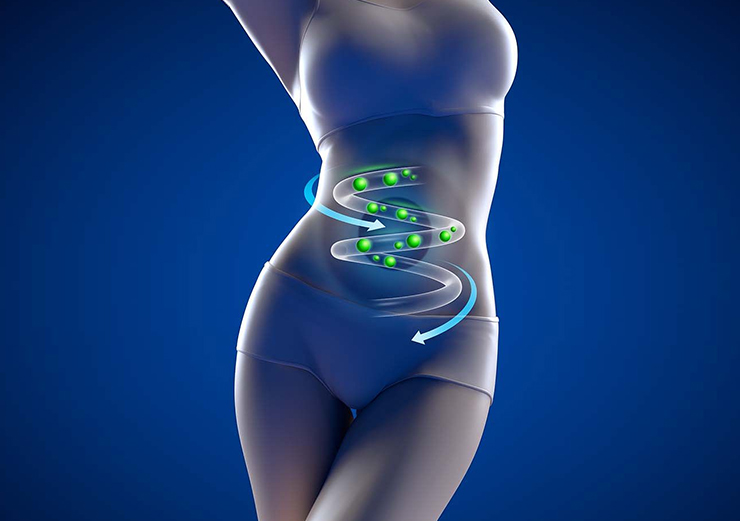
DDW Science
How Deuterium Affects Living Organisms
01

DNA Structure Impact

Deuterium can replace hydrogen atoms in DNA's double helix, affecting hydrogen bond stability and potentially leading to gene expression abnormalities.
02

Cellular Metabolism

High deuterium concentrations interfere with enzyme catalysis and intracellular biochemical reactions, affecting cellular division and growth.
03

Mitochondrial Function

Deuterium slows ATP synthase nanomotor function in mitochondria, reducing cellular energy production efficiency and affecting vitality.
04

Keap1-Nrf2 Pathway

Research confirms DDW activates the Keap1-Nrf2 signaling pathway, promoting antioxidant gene expression and enhancing cellular protection against oxidative stress.
Cooland DDW Water Source
Cooland DDW originates from Kelan River glaciers in the Altai Mountains - China's only glacier influenced by both Atlantic and Arctic air masses. Through extensive sampling at the Dadongou Valley, the Chinese Academy of Sciences confirmed deuterium levels of δD -150‰ to -90‰, making it a world-class premium low-deuterium water source.

δD Deuterium Ratio

-136.26‰

Deuterium Content

~134 ppm

pH Level

7.4-7.9

CaCO3 Hardness

43.6 mg/L
View Products